From NY Times: As Local News Dies, a Pay-for-Play Network Rises in Its Place
A nationwide operation of 1,300 local sites publishes coverage that is ordered up by Republican groups and corporate P.R. firms.
Category Archives: journalism
US States by urbanization from US census
Seeing when the population of various states went from rural to urbanization showed how dramatically the period from 1980 to now has been. This information is updated in the 10-year census so the 2020 results will show more urbanization.
https://www.icip.iastate.edu/tables/population/urban-pct-states
Why brand safety is important for advertising-backed publishers
One interesting point in this WSJ story, https://www.wsj.com/articles/tumblr-and-the-end-of-the-eyeballs-are-everything-era-11566014411?shareToken=st25023c0944c54846845dba9de27f1c68, is that Tumblr’s openness to all forms of content, made it an unsafe place for advertisers. Tumblr was unable to channel advertising away from the content advertisers wanted to avoid while alternatives, such as Facebook, were able to do as advertisers requested.
Advertisers have blacklists of words in content they do not want ads to appear with. In a story in the WSJ on Thursday, the list of words includes Trump, bomb, attack, crash and accident, see https://www.wsj.com/articles/advertisers-blacklist-hard-news-including-trump-fearing-backlash-11565879086?shareToken=sta8e05cebd27c4415b477f28a58161263. Even in business writing, words like crash and accident, are often in articles, in secondary meanings. For example, during last week’s 800-point DJIA drop on Wednesday, many called it a crash.
Airlines don’t like their ads to appear around stories on plane crashes. I get that. When I was young, I was once afraid to fly because of stories I had seen on TV about a plane crash a few weeks earlier. Adults even now often say they feel nervous flying soon after plane crashes, but they still fly. It would be too easy to for the airline’s ads to be viewed as in bad taste. Better to just avoid the publisher’s content.

What business is WordPress in?
From Rex Hammock: The WordPress folks understand what business they are in. No, not the CMS business. They are in the business of enabling people to express themselves.
Books read in February 2013
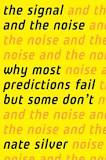 The Signal and the Noise by Nate Silver. I had high hopes for this book hoping for some of that jaw-dropping insight from earlier books such as Freakonomics and Moneyball, but it didn’t meet my expectations. I still recommend the book, especially if you haven’t read these earlier books. Goods books that give us greater insight into how we let our selves be fooled, helps us separate the signal from the noise, and increase our skepticism is worth picking up. Thinking, Fast and Slow by Daniel Kahneman is another alternative, but it is a denser book than the other three titles.
The Sins of the Fathers by Lawrence Block. I’ve ready many of Block’s books. They’re enjoyable and meet “the job I hired them to do” (borrowing from a concept in Christen’s book How will you mearsure you life. I can read the book when I have a few minutes spread over long periods of time and can quickly pick back up the thread of the story. They’re also interesting to imagine how a person like Matthew Scudder can spend so much of his life drinking booze, coffee and sometimes both.
kdmc data visualization tutorials
The power of a passionate journalist
Hunting for Fashion’s Copycats, in Thursday’s Wall Street Journa is about how a part-time blogger on fashion led to the withdrawal by Channel of a bracelet that was a close copy of bracelet designed by Pamela Love in 2011.

For me, the story was the power of a publishing platform, an egnaged audience, the reward of journalism and the challenge mainstream media will always face if it trys to compete, rather than cooperate against non-mainstream.
Call them fans, amateurs, part-timers, free-lancers, bloggers, whatever — it’s people who are extrememly passionate about topics.It’s a large and visible group in sports, tech, music, books, fashion. It’s a smaller, but no less passionate group in stamp collecting, woodworkng, antique cars, etc.
Mainstream news organizations need to embrace and cultivate the passionate as readers, sourcess, conributors, partners. It’s not a natural role for newsrooms and there will be many lessons learned along the way.
Why Journalists Must Earn the Right to Teach Old Media New Tricks
Why Journalists Must Earn the Right to Teach Old Media New Tricks [VIDEO] “We benefit when we listen,” said New York Times media reporter and blogger Brian Stelter on stage at the Mashable Media Summit.
If content is king, what is Drudge Report?
Pew Research, Project for Excellence in Journalism: Drudge Report: Small Operation, Large Influence
Primary sources of outside traffic in order: Google, Drudge Report, Twitter. Traffic from Facebook is growing, and for some media organizations it was second or third, according to the Pew Study.

Is pointing to content now king?
“People tell me that content is king, but that is not true at all,” says Rishad Tobaccowala, chief strategy and innovation officer at Vivaki, the digital-media unit of Publicis Groupe SA. “Most people make money pointing to content, not creating, curating or collecting content.”